Items filtered by date: December 2025

Tuesday, 30 December 2025 00:00

Understanding Diabetic Foot Ulcers

A diabetic foot ulcer is an open sore or wound that can develop on the feet of individuals with diabetes, often caused by poor circulation, neuropathy, or pressure on certain areas. These ulcers progress through stages, from superficial skin breakdown to deeper tissue involvement. Classification systems, such as the Wagner diabetic foot ulcer classification, help determine severity by assessing wound size, depth, and the presence of infection or gangrene. Proper assessment allows for targeted treatment and reduces the risk of complications. A podiatrist can evaluate the ulcer, provide wound care, recommend protective footwear, and guide therapies to promote healing and prevent recurrence. If you have diabetes and notice any sores, swelling, or changes in your feet, it is strongly suggested that you are under the care of a podiatrist who can help you to manage this serious condition.

Wound care is an important part in dealing with diabetes. If you have diabetes and a foot wound or would like more information about wound care for diabetics, consult with one of our podiatrists from DM Foot & Ankle Associates . Our doctors will assess your condition and provide you with quality foot and ankle treatment.

What Is Wound Care?

Wound care is the practice of taking proper care of a wound. This can range from the smallest to the largest of wounds. While everyone can benefit from proper wound care, it is much more important for diabetics. Diabetics often suffer from poor blood circulation which causes wounds to heal much slower than they would in a non-diabetic. 

What Is the Importance of Wound Care?

While it may not seem apparent with small ulcers on the foot, for diabetics, any size ulcer can become infected. Diabetics often also suffer from neuropathy, or nerve loss. This means they might not even feel when they have an ulcer on their foot. If the wound becomes severely infected, amputation may be necessary. Therefore, it is of the upmost importance to properly care for any and all foot wounds.

How to Care for Wounds

The best way to care for foot wounds is to prevent them. For diabetics, this means daily inspections of the feet for any signs of abnormalities or ulcers. It is also recommended to see a podiatrist several times a year for a foot inspection. If you do have an ulcer, run the wound under water to clear dirt from the wound; then apply antibiotic ointment to the wound and cover with a bandage. Bandages should be changed daily and keeping pressure off the wound is smart. It is advised to see a podiatrist, who can keep an eye on it.

If you have any questions please contact our office located in Lemont, IL . We offer the newest diagnostic and treatment technologies for all your foot and ankle needs.

Read more about Wound Care
Sunday, 28 December 2025 00:00

Reminder: When Was the Last Time...?

Custom orthotics, or shoe inserts, should be periodically replaced. Orthotics must fit properly to give you the best results. Protect your feet and ankles!

Tuesday, 23 December 2025 00:00

When a Foot Fracture Disrupts Daily Movement

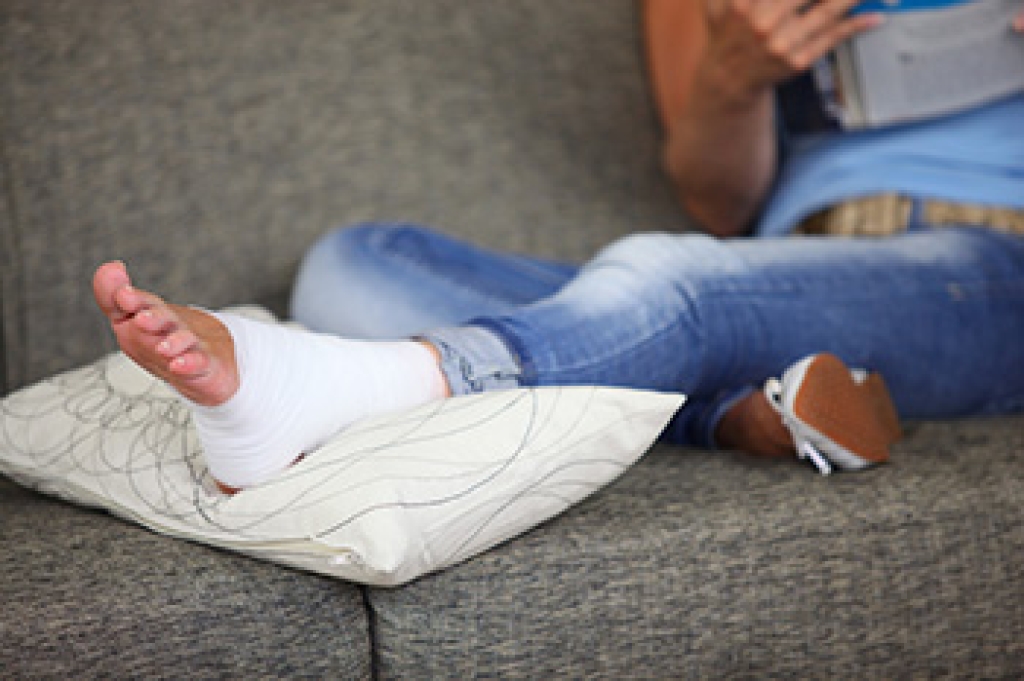
A broken foot can happen from a fall, a heavy object landing on the foot, or even repeated stress from activities that place too much pressure on the bones. Many people notice sudden pain, swelling, bruising, or difficulty putting weight on the foot right after the injury. In some cases, the discomfort may seem mild at first, but quickly worsens with walking. The area might feel tender to touch, and shoes may become uncomfortable due to swelling. Even small fractures can interfere with balance and everyday movement if they are not recognized early. Rest, elevation, and avoiding weight on the foot are usually important first steps until proper care is given. If you suspect a foot fracture because of persistent pain, swelling, or trouble walking, it is suggested that you schedule an appointment with a podiatrist for an accurate diagnosis and appropriate treatment plan.

A broken foot requires immediate medical attention and treatment. If you need your feet checked, contact one of our podiatrists from DM Foot & Ankle Associates . Our doctors can provide the care you need to keep you pain-free and on your feet.

Broken Foot Causes, Symptoms, and Treatment

A broken foot is caused by one of the bones in the foot typically breaking when bended, crushed, or stretched beyond its natural capabilities. Usually the location of the fracture indicates how the break occurred, whether it was through an object, fall, or any other type of injury. 

Common Symptoms of Broken Feet:

  • Bruising
  • Pain
  • Redness
  • Swelling
  • Blue in color
  • Numbness
  • Cold
  • Misshapen
  • Cuts
  • Deformities

Those that suspect they have a broken foot shoot seek urgent medical attention where a medical professional could diagnose the severity.

Treatment for broken bones varies depending on the cause, severity and location. Some will require the use of splints, casts or crutches while others could even involve surgery to repair the broken bones. Personal care includes the use of ice and keeping the foot stabilized and elevated.

If you have any questions, please feel free to contact our office located in Lemont, IL . We offer the newest diagnostic and treatment technologies for all your foot care needs.

Read more about Causes, Symptoms, and Treatment for a Broken Foot
Tuesday, 16 December 2025 00:00

Choosing Running Shoes for Everyday Walking

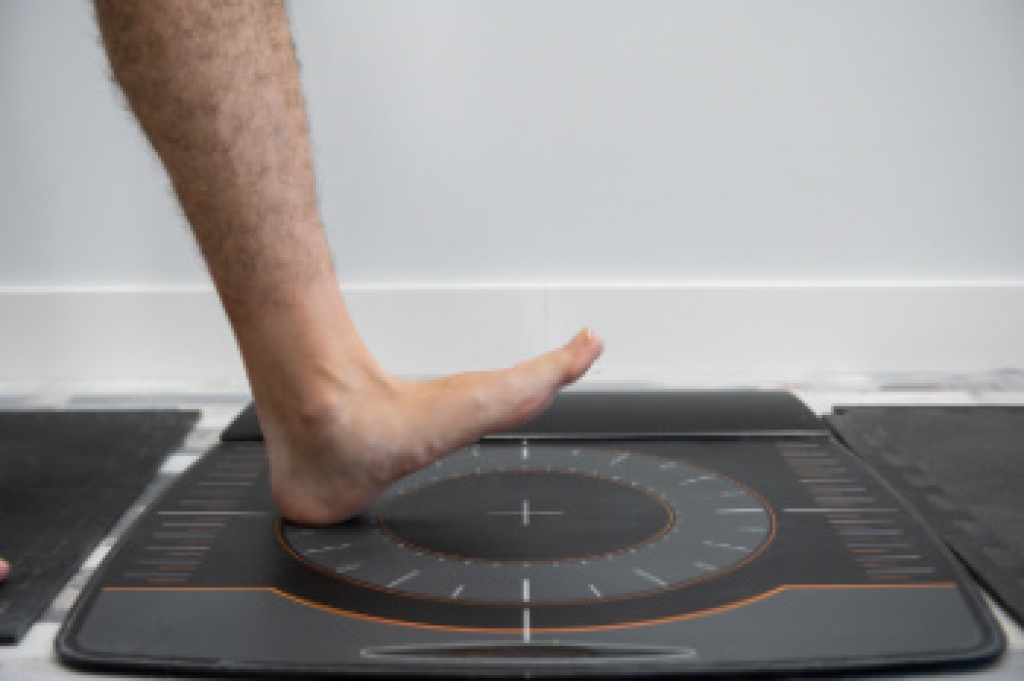
Many people reach for running shoes when they head out for a walk, and in many cases this choice works well. Running shoes are designed to absorb impact, support forward motion, and cushion the feet during repetitive steps. These features can make walking more comfortable, especially on hard surfaces. However, not every running shoe suits every walker. Some styles are built for speed and may feel too firm or too curved for a steady walking pace. Others have extra cushioning that can change how the foot contacts the ground. Paying attention to how your feet feel during and after a walk is the best guide. If discomfort, pressure points, or unusual fatigue develop, it is suggested that you schedule an appointment with a podiatrist for personalized footwear advice.

If you are a runner, wearing the right running shoe is essential. For more information, contact one of our podiatrists from DM Foot & Ankle Associates . Our doctors can provide the care you need to keep you pain-free and on your feet.

Choosing the Right Running Shoe for Your Foot Type

To increase performance and avoid the risk of injury, it is important to choose the right running shoe based on your foot type. The general design of running shoes revolves around pronation, which is how the ankle rolls from outside to inside when the foot strikes the ground.

  • Neutral runners are able to choose from a wide variety of shoes, including minimalist shoes or even going barefoot.
  • Runners who overpronate, or experience an over-abundance of ankle rolling, should choose shoes that provide extra motion control and stability.
  • Runners who underpronate, or supinate, have feet that have high arches and lack flexibility, preventing shock absorption. They require shoes with more flexibility and cushion.

If you have any questions, please feel free to contact our office located in Lemont, IL . We offer the newest diagnostic and treatment technologies for all your foot care needs.
Read more about Differences between Walking and Running Shoes

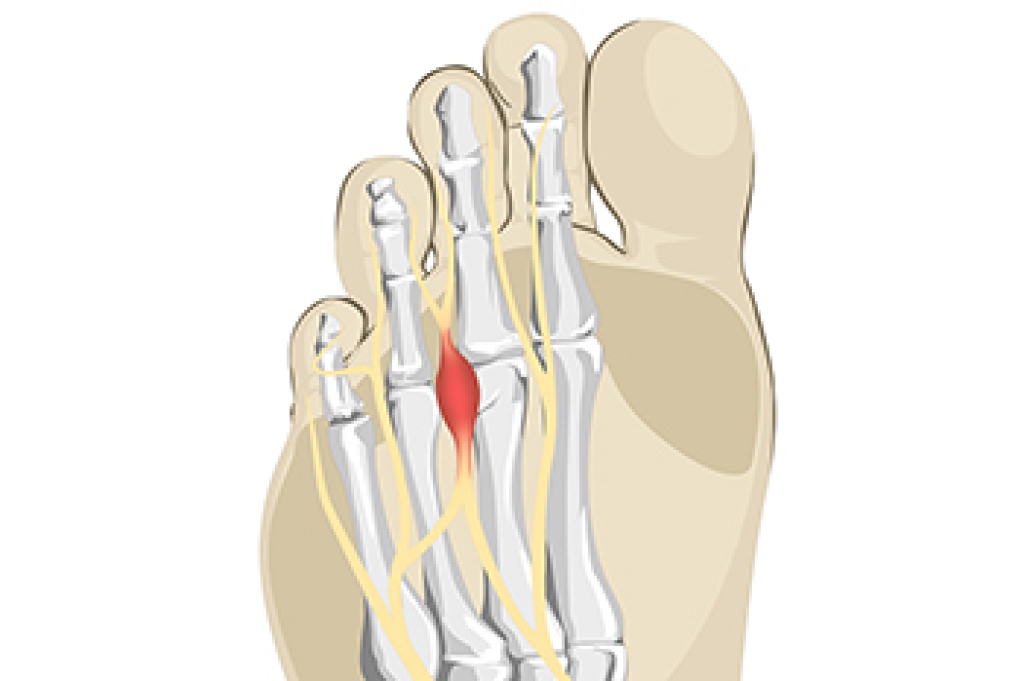
Sesamoiditis is a painful inflammation of the tiny sesamoid bones located beneath the big toe joint. These small bones act like pulleys, helping the tendons move smoothly and absorb pressure with every step. When they become irritated from overuse, repetitive impact, or increased activity on hard surfaces, pain develops directly under the big toe. Many people describe a deep ache or sharp discomfort that worsens when pushing off the toe while walking. Swelling, tenderness, and difficulty bending the big toe are common signs. Dancers, runners, people with high arches, and anyone who spends long hours on their feet are more prone to this condition. Without proper care, symptoms can progress and interfere with daily movement. Rest, wearing supportive footwear, and targeted treatments can provide relief. If you notice persistent pain beneath your big toe or difficulty bearing weight, it is suggested that you see a podiatrist for an evaluation and personalized treatment.

Sesamoiditis is an unpleasant foot condition characterized by pain in the balls of the feet. If you think you’re struggling with sesamoiditis, contact one of our podiatrists of DM Foot & Ankle Associates . Our doctors will treat your condition thoroughly and effectively.

Sesamoiditis

Sesamoiditis is a condition of the foot that affects the ball of the foot. It is more common in younger people than it is in older people. It can also occur with people who have begun a new exercise program, since their bodies are adjusting to the new physical regimen. Pain may also be caused by the inflammation of tendons surrounding the bones. It is important to seek treatment in its early stages because if you ignore the pain, this condition can lead to more serious problems such as severe irritation and bone fractures.

Causes of Sesamoiditis

  • Sudden increase in activity
  • Increase in physically strenuous movement without a proper warm up or build up
  • Foot structure: those who have smaller, bonier feet or those with a high arch may be more susceptible

Treatment for sesamoiditis is non-invasive and simple. Doctors may recommend a strict rest period where the patient forgoes most physical activity. This will help give the patient time to heal their feet through limited activity. For serious cases, it is best to speak with your doctor to determine a treatment option that will help your specific needs.

If you have any questions, please feel free to contact our office located in Lemont, IL . We offer the newest diagnostic and treatment technologies for all your foot care needs.
Read more about Sesamoiditis

Off-loading is essential for helping diabetic foot wounds heal because it reduces pressure on the ulcerated area. People with diabetic neuropathy often lose sensation in their feet, so they continue to walk on a wound without realizing it, which damages new tissue and delays recovery. A podiatrist can use specialized off-loading techniques to remove pressure from the affected area. This can involve therapeutic shoes, custom insoles, padded dressings, removable cast boots, or total contact casts that closely fit the foot and restrict joint motion. These approaches protect the wound from repetitive stress and shear forces, giving tissue the time it needs to repair. When necessary, surgery can also be performed to correct deformities or redistribute pressure to prevent recurrence. Consistent podiatric care ensures the wound remains clean and healing is monitored. If you have a diabetic foot wound, it is suggested that you make an appointment with a podiatrist for a diagnosis and treatment, including off-loading management.

Diabetic foot care is important in preventing foot ailments such as ulcers. If you are suffering from diabetes or have any other concerns about your feet, contact one of our podiatrists from DM Foot & Ankle Associates . Our doctors can provide the care you need to keep you pain-free and on your feet.

Diabetic Foot Care

Diabetes affects millions of people every year. The condition can damage blood vessels in many parts of the body, especially the feet. Because of this, taking care of your feet is essential if you have diabetes, and having a podiatrist help monitor your foot health is highly recommended.

The Importance of Caring for Your Feet

  • Routinely inspect your feet for bruises or sores.
  • Wear socks that fit your feet comfortably.
  • Wear comfortable shoes that provide adequate support.

Patients with diabetes should have their doctor monitor their blood levels, as blood sugar levels play such a huge role in diabetic care. Monitoring these levels on a regular basis is highly advised.

It is always best to inform your healthcare professional of any concerns you may have regarding your feet, especially for diabetic patients. Early treatment and routine foot examinations are keys to maintaining proper health, especially because severe complications can arise if proper treatment is not applied.

If you have any questions, please feel free to contact our office located in Lemont, IL . We offer the newest diagnostic and treatment technologies for all your foot care needs.

Read more about How to Care for Diabetic Foot

Connect With Us