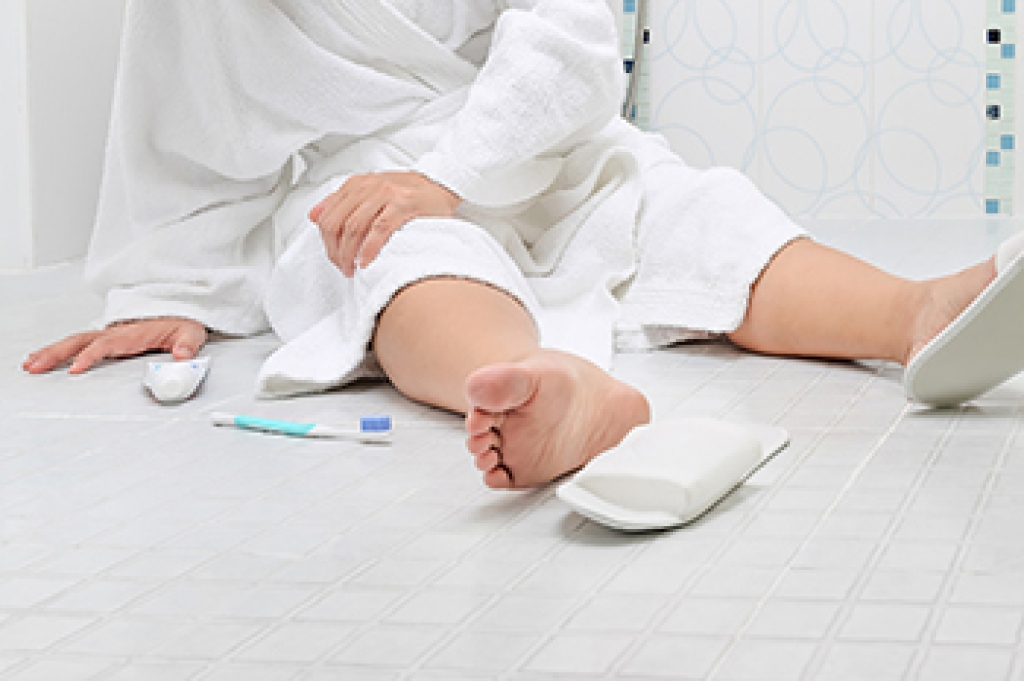
Ongoing ankle symptoms can affect balance, walking, and overall stability, increasing the risk of falls and lower extremity injuries over time. Many people experience persistent pain, stiffness, swelling, weakness, or limited motion after previous ankle injuries or long-term joint conditions. These symptoms may change the way a person walks and make it more difficult to move confidently on uneven surfaces, stairs, or slippery ground. As balance becomes less reliable, the likelihood of falls may increase, especially in older adults. Fall-related injuries can include fractures, bruising, sprains, and added stress on the knees, hips, and lower back. Some individuals also reduce physical activity because of ankle discomfort, which may weaken muscles and further affect stability. A podiatrist can evaluate ankle function, identify underlying causes of chronic symptoms, and recommend treatment to improve support and mobility. If ongoing ankle symptoms are interfering with balance or daily movement, it is suggested that you visit a podiatrist for evaluation and appropriate treatment.
Preventing falls among the elderly is very important. If you are older and have fallen or fear that you are prone to falling, consult with one of our podiatrists from DM Foot & Ankle Associates . Our doctors will assess your condition and provide you with quality advice and care.
Every 11 seconds, an elderly American is being treated in an emergency room for a fall related injury. Falls are the leading cause of head and hip injuries for those 65 and older. Due to decreases in strength, balance, senses, and lack of awareness, elderly persons are very susceptible to falling. Thankfully, there are a number of things older persons can do to prevent falls.
How to Prevent Falls
Some effective methods that older persons can do to prevent falls include:
- Enrolling in strength and balance exercise program to increase balance and strength
- Periodically having your sight and hearing checked
- Discuss any medications you have with a doctor to see if it increases the risk of falling
- Clearing the house of falling hazards and installing devices like grab bars and railings
- Utilizing a walker or cane
- Wearing shoes that provide good support and cushioning
- Talking to family members about falling and increasing awareness
Falling can be a traumatic and embarrassing experience for elderly persons; this can make them less willing to leave the house, and less willing to talk to someone about their fears of falling. Doing such things, however, will increase the likelihood of tripping or losing one’s balance. Knowing the causes of falling and how to prevent them is the best way to mitigate the risk of serious injury.
If you have any questions, please feel free to contact our office located in Lemont, IL . We offer the newest diagnostic and treatment technologies for all your foot care needs.