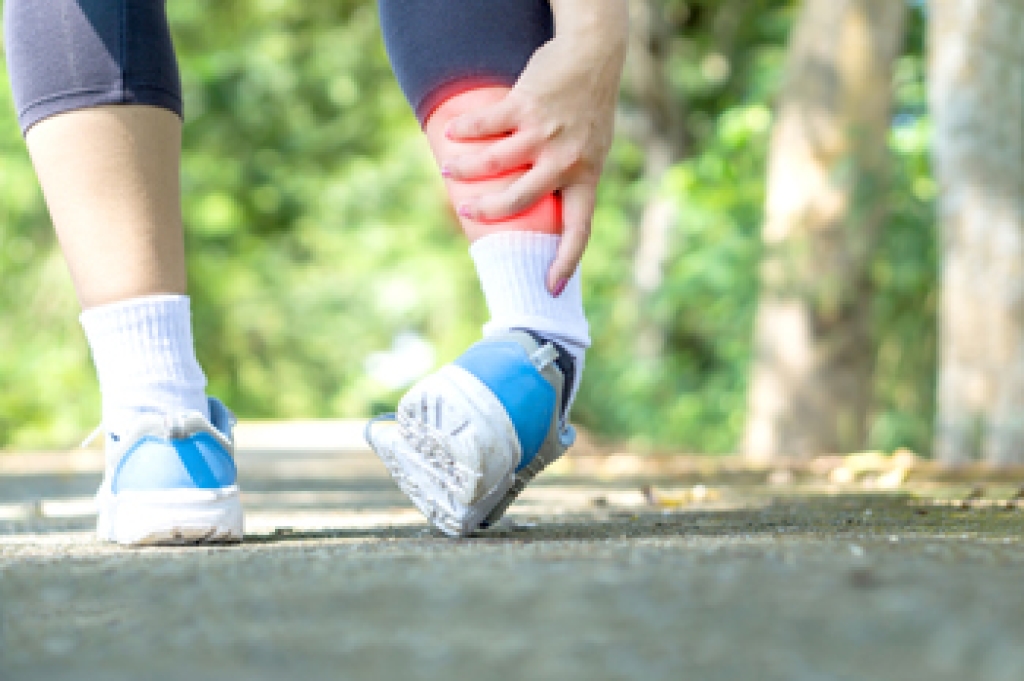
Constant care and regular evaluation are important for a foot or ankle fracture. If left untreated, foot or ankle fractures can worsen over time and create more serious problems.
Don't wait to be examined if you believe you've experienced a foot or ankle fracture.
Ankle pain after running is a frequent concern for both new and experienced runners. It refers to discomfort or soreness that develops in or around the ankle joint following physical activity. The ankle is a complex structure made up of bones, ligaments, tendons, and muscles that work together to support movement and absorb impact. When stress exceeds the body’s ability to recover, pain can develop. Understanding the causes of ankle pain helps runners identify early warning signs and take steps to prevent further injury.
One common cause of ankle pain is tendonitis, which occurs when tendons become inflamed due to overuse. This condition often develops from repetitive motion, tight calf muscles, or improper running form. Symptoms include aching pain, stiffness, and swelling that may worsen during or after activity. Another frequent cause is an ankle sprain, which happens when the ligaments that support the ankle are stretched or torn. Sprains can result from uneven surfaces or sudden twisting movements. Symptoms include sharp pain, swelling, and bruising. Difficulty bearing weight on the affected foot is another factor.
Stress fractures are another potential source of ankle pain, especially in runners who increase intensity too quickly. These small cracks in the bone develop from repeated impact and insufficient recovery time. Symptoms include localized pain that worsens with activity and improves with rest. Limited ankle joint mobility can also contribute to discomfort, as restricted movement places added strain on surrounding structures. Runners may notice stiffness, reduced range of motion, or compensatory movement patterns that increase the risk of injury.
Risk factors for ankle pain after running include poor footwear, overtraining, and inadequate warm up,. Muscle imbalances and running on hard or uneven surfaces can further increase stress on the ankle joint. Proper training techniques, wearing supportive shoes, and gradual progression are essential for prevention. If you have ankle pain after running, it is suggested that you consult a podiatrist for effective relief and treatment solutions.
Ankle pain can have many different causes and the pain may potentially be serious. If you have ankle pain, consult with one of our podiatrists from DM Foot & Ankle Associates . Our doctors will assess your condition and provide you with quality foot and ankle treatment.
Ankle pain is any condition that causes pain in the ankle. Due to the fact that the ankle consists of tendons, muscles, bones, and ligaments, ankle pain can come from a number of different conditions.
Causes
The most common causes of ankle pain include:
Types of arthritis (rheumatoid, osteoarthritis, and gout)
Ankle sprains
Broken ankles
Achilles tendinitis
Achilles tendon rupture
Stress fractures
Tarsal tunnel syndrome
Plantar fasciitis
Symptoms
Symptoms of ankle injury vary based upon the condition. Pain may include general pain and discomfort, swelling, aching, redness, bruising, burning or stabbing sensations, and/or loss of sensation.
Diagnosis
Due to the wide variety of potential causes of ankle pain, podiatrists will utilize a number of different methods to properly diagnose ankle pain. This can include asking for personal and family medical histories and of any recent injuries. Further diagnosis may include sensation tests, a physical examination, and potentially x-rays or other imaging tests.
Treatment
Just as the range of causes varies widely, so do treatments. Some more common treatments are rest, ice packs, keeping pressure off the foot, orthotics and braces, medication for inflammation and pain, and surgery.
If you have any questions please feel free to contact our office located in Lemont, IL. We offer the newest diagnostic tools and technology to treat your foot and ankle needs.
Ankle injuries in basketball are among the most common sports-related conditions, due to the fast-paced and high-impact nature of the game. These injuries occur when the ligaments, tendons, or bones in the ankle are stressed beyond their normal range. Quick direction changes, jumping, and sudden stops all place significant pressure on the ankle joint. Understanding the definition and causes of ankle injuries can help players take steps to reduce their risk and stay active on the court.
Symptoms of ankle injuries may include pain, swelling, bruising, and a limited range of motion. In some cases, players may feel instability or difficulty bearing weight on the affected foot. Risk factors include improper landing techniques, wearing unsupportive shoes, and weak ankle muscles. Landing awkwardly after a jump is a leading cause, as it can force the ankle into an unnatural position. Shoes that lack proper cushioning and stability can also increase the likelihood of injury by failing to support the foot during movement.
There are several types of ankle injuries that basketball players may experience. Sprains are the most common and occur when ligaments are stretched or torn. Strains involve injury to muscles or tendons, while fractures are more severe and involve a break in the bone. Each type of injury varies in severity, but all require proper attention to prevent long-term complications. Strength training, balance exercises, and wearing well-fitted athletic shoes can help reduce the risk of these injuries.
Preventing ankle injuries involves a combination of proper technique, conditioning, and awareness. Players should focus on controlled landings, maintain strong lower-leg muscles, and choose shoes designed for court sports. Taking time to warm up before playing can also prepare the joints for activity. If you have developed a foot or ankle injury while playing basketball, it is suggested that you consult a podiatrist for effective relief and treatment solutions.
Ankle and foot injuries are common among athletes and in many sports. They can be caused by several problems and may be potentially serious. If you are feeling pain or think you were injured in a sporting event or when exercising, consult with one of our podiatrists from DM Foot & Ankle Associates . Our doctors will assess your condition and provide you with quality foot and ankle treatment.
Common Injuries
The most common injuries that occur in sporting activities include:
Achilles Tendonitis
Achilles Tendon Rupture
Ankle Sprains
Broken Foot
Plantar Fasciitis
Stress Fractures
Turf Toe
Symptoms
Symptoms vary depending upon the injury and in some cases, there may be no symptoms at all. However, in most cases, some form of symptom is experienced. Pain, aching, burning, bruising, tenderness, tightness or stiffness, sensation loss, difficulty moving, and swelling are the most common symptoms.
Treatment
Just as symptoms vary depending upon the injury, so do treatment options. A common treatment method is known as the RICE method. This method involves rest, applying ice, compression and elevating the afflicted foot or ankle. If the injury appears to be more serious, surgery might be required, such as arthroscopic or reconstructive surgery. Lastly, rehabilitation or therapy might be needed to gain full functionality in the afflicted area. Any discomfort experienced by an athlete must be evaluated by a licensed, reputable medical professional.
If you have any questions please contact our office located in Lemont, IL. We offer the newest diagnostic and treatment technologies for all your foot and ankle needs.
Workplace falls are a leading cause of injury across many industries and can affect employees in offices, warehouses, restaurants, and construction sites. A fall occurs when a person loses balance due to unsafe conditions or environmental hazards. These incidents often result in sprains, lacerations, contusions, or fractures, particularly involving the feet and ankles. Understanding how falls happen and what increases the risk is essential for prevention and safety. Workplace safety measures play an important role in reducing injury rates and improving overall productivity.
Common symptoms after a fall include pain, swelling, bruising, and limited movement. In more serious cases, fractures or deep cuts may require immediate medical attention. Several risk factors increase the likelihood of falling at work, including poor balance, improper footwear, fatigue, and lack of safety awareness. Employees who stand for long hours or perform repetitive tasks may also face a higher risk of foot and ankle strain, which can contribute to instability and falls.
The most common causes of workplace falls include wet surfaces, uneven flooring, cluttered walkways, and poor lighting. Spills that are not cleaned promptly can create slippery conditions, while loose mats or damaged flooring increase the chance of tripping. Cluttered work areas limit safe movement and reduce visibility of hazards. Inadequate lighting makes it difficult to see obstacles clearly, increasing the likelihood of missteps and injury. These preventable conditions highlight the importance of maintaining a clean and well organized environment.
Preventing workplace falls requires attention to safety practices such as proper housekeeping, wearing supportive shoes, and improving lighting conditions. Employers and employees should work together to identify and correct hazards before injuries occur. Early treatment of foot and ankle injuries can help prevent long-term complications and support faster recovery. If you have sustained a foot or ankle injury from falling at work, it is suggested that you consult a podiatrist for an accurate diagnosis and appropriate treatment.
Preventing falls among the elderly is very important. If you are older and have fallen or fear that you are prone to falling, consult with one of our podiatrists from DM Foot & Ankle Associates . Our doctors will assess your condition and provide you with quality advice and care.
Every 11 seconds, an elderly American is being treated in an emergency room for a fall related injury. Falls are the leading cause of head and hip injuries for those 65 and older. Due to decreases in strength, balance, senses, and lack of awareness, elderly persons are very susceptible to falling. Thankfully, there are a number of things older persons can do to prevent falls.
How to Prevent Falls
Some effective methods that older persons can do to prevent falls include:
Enrolling in strength and balance exercise program to increase balance and strength
Periodically having your sight and hearing checked
Discuss any medications you have with a doctor to see if it increases the risk of falling
Clearing the house of falling hazards and installing devices like grab bars and railings
Utilizing a walker or cane
Wearing shoes that provide good support and cushioning
Talking to family members about falling and increasing awareness
Falling can be a traumatic and embarrassing experience for elderly persons; this can make them less willing to leave the house, and less willing to talk to someone about their fears of falling. Doing such things, however, will increase the likelihood of tripping or losing one’s balance. Knowing the causes of falling and how to prevent them is the best way to mitigate the risk of serious injury.
If you have any questions, please feel free to contact our office located in Lemont, IL. We offer the newest diagnostic and treatment technologies for all your foot care needs.
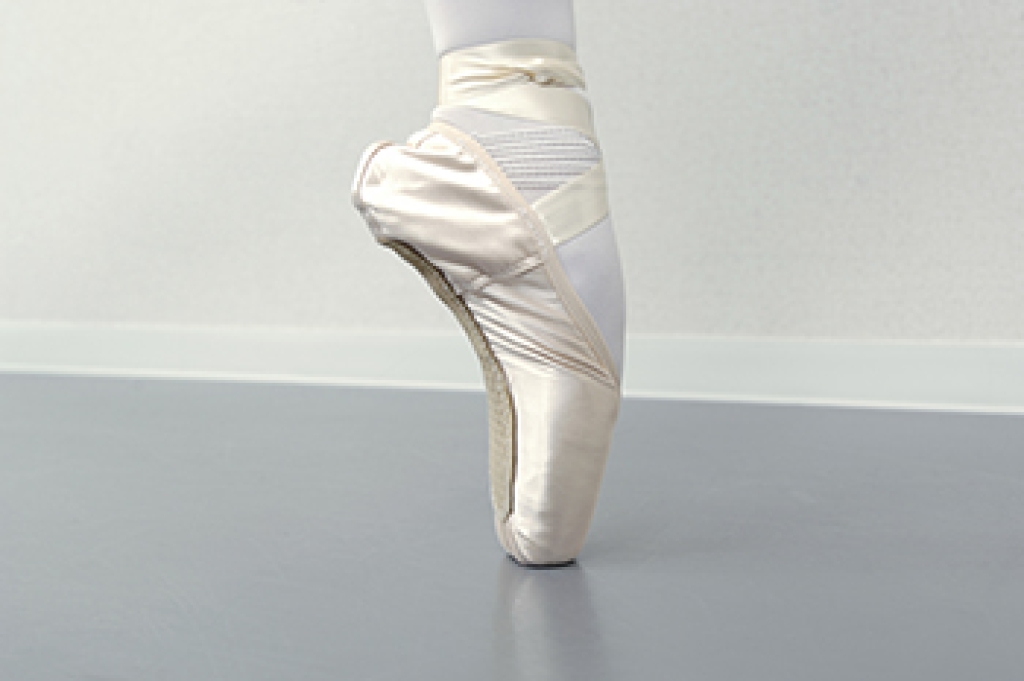
Ballet dancing places unique demands on the feet, requiring controlled movements, pointed positions, and repeated impact. Foot injuries in ballet often occur because dancers put significant pressure on their toes, arches, and ankles during training and performances. The definition of ballet-related foot injuries includes any damage or irritation affecting the bones, joints, or soft tissues of the foot caused by dance activity. Individual foot structure can influence how a dancer responds to these demands.
Common symptoms include soreness, swelling, and pain during or after practice. Dancers may experience problems such as ingrown toenails, tendon inflammation, and stress injuries. The way the toes are positioned during ballet can place pressure on the nails, causing them to grow into the surrounding skin. Toe length also affects how weight is distributed when shaping the foot and performing movements. Some dancers may experience discomfort because their foot shape does not match the demands of specific techniques or footwear.
Risk factors include repetitive training, inadequate rest, and improper shoe fit. The natural structure of the foot, including toe length and heel shape, can influence injury development. A heel that does not fit securely may allow the foot to slide inside the shoe, increasing friction and pressure. Dancers with certain foot shapes may need specialized support to maintain proper alignment. Weak foot muscles, limited flexibility, and sudden increases in training intensity can also contribute to injuries.
Protecting ballet feet involves choosing properly fitted shoes, strengthening the muscles of the feet, and addressing pain early. Dancers should avoid ignoring symptoms, as minor problems can become more serious over time. A podiatrist can evaluate foot structure, identify injury risks, and recommend appropriate treatment options. If you have developed foot injuries from ballet, it is suggested that you seek care from a podiatrist for an accurate diagnosis and appropriate treatment.
Podiatric biomechanics is a particular sector of specialty podiatry with licensed practitioners who are trained to diagnose and treat conditions affecting the foot, ankle and lower leg. Biomechanics deals with the forces that act against the body, causing an interference with the biological structures. It focuses on the movement of the ankle, the foot and the forces that interact with them.
A History of Biomechanics
Biomechanics dates back to the BC era in Egypt where evidence of professional foot care has been recorded.
In 1974, biomechanics gained a higher profile from the studies of Merton Root, who claimed that by changing or controlling the forces between the ankle and the foot, corrections or conditions could be implemented to gain strength and coordination in the area.
Modern technological improvements are based on past theories and therapeutic processes that provide a better understanding of podiatric concepts for biomechanics. Computers can provide accurate information about the forces and patterns of the feet and lower legs.
Understanding biomechanics of the feet can help improve and eliminate pain, stopping further stress to the foot.
If you have any questions please feel free to contact our office located in Lemont, IL. We offer the newest diagnostic and treatment technologies for all your foot and ankle needs.