Have your feet inspected by a professional before starting a new sport or physical activity. Taking charge of your foot health will keep you in good physical condition and can help you avoid a potential injury, such as a fracture or sprained ankle.
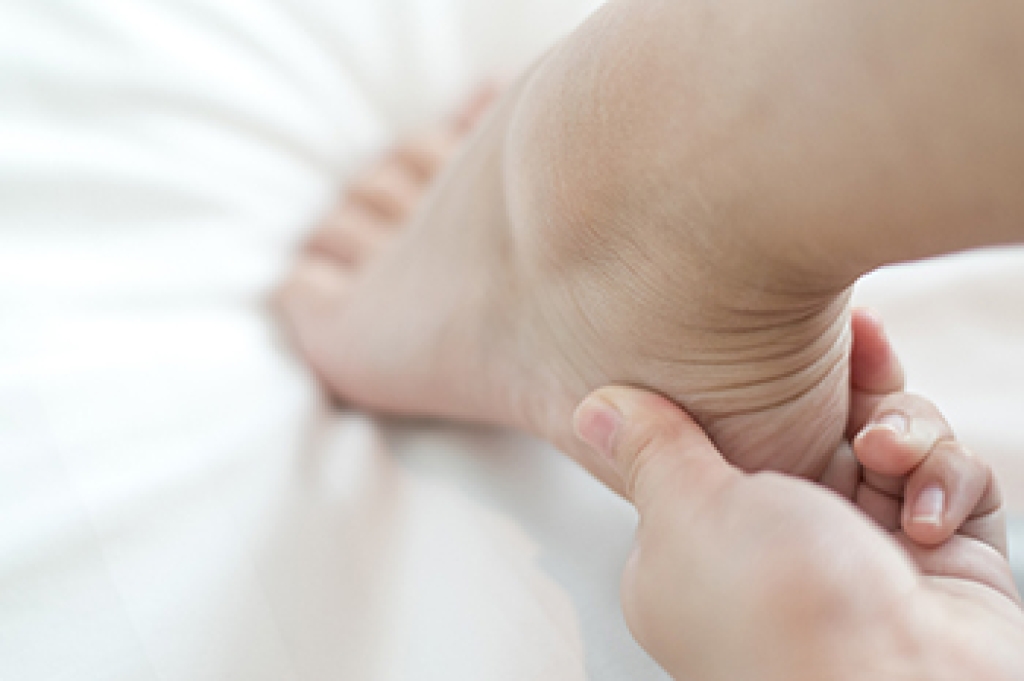
Sever’s disease, also called calcaneal apophysitis, causes pain in the growth plate at the back of the heel, oftentimes affecting children. A growth plate is an area of developing bone found in children and teenagers. Repeated pulling from the Achilles tendon can irritate the growth plate, especially during periods of rapid growth. Heel pain usually becomes worse while walking, running, or participating in sports. The pain can affect one heel or both. Some children also limp or avoid placing full weight on the affected foot because of discomfort. Early evaluation helps identify the condition before pain begins to interfere with school, sports, and other daily activities.
Several factors increase the chance of developing Sever’s disease. Running and jumping sports place repeated stress on the heel. Tight calf muscles can increase pulling on the growth plate. Flat feet or high arches can also change how force is distributed across the foot. Shoes that lack proper support can place additional strain on the heel during activity. A podiatrist diagnoses the condition by discussing symptoms, examining the foot, and checking for tenderness around the back of the heel. Imaging tests are not always necessary, but they can help rule out other causes of heel pain when the diagnosis is uncertain.
A podiatrist creates a treatment plan that reduces stress on the irritated growth plate and improves comfort. Treatment includes custom orthotics, heel cushions, and wearing supportive shoes. These options help reduce pressure and improve foot alignment while walking. Regular follow-up visits allow a podiatrist to monitor healing and adjust treatment as the child grows. Early care can reduce pain, improve mobility, and support a safe return to normal activities. Most children recover completely once the growth plate matures. If your active child has symptoms of Sever’s disease, it is suggested that you schedule an appointment with a podiatrist for effective relief and management tips.
Sever's disease often occurs in children and teens. If your child is experiencing foot or ankle pain, see one of our podiatrists from DM Foot & Ankle Associates . Our doctors can treat your child’s foot and ankle needs.
Sever’s Disease
Sever’s disease is also known as calcaneal apophysitis, which is a medical condition that causes heel pain I none or both feet. The disease is known to affect children between the ages of 8 and 14.
Sever’s disease occurs when part of the child’s heel known as the growth plate (calcaneal epiphysis) is attached to the Achilles tendon. This area can suffer injury when the muscles and tendons of the growing foot do not keep pace with bone growth. Therefore, the constant pain which one experiences at the back of the heel will make the child unable to put any weight on the heel. The child is then forced to walk on their toes.
Symptoms
Acute pain – Pain associated with Sever’s disease is usually felt in the heel when the child engages in physical activity such as walking, jumping and or running.
Highly active – Children who are very active are among the most susceptible in experiencing Sever’s disease, because of the stress and tension placed on their feet.
If you have any questions, please feel free to contact our office located in Lemont, IL. We offer the newest diagnostic and treatment technologies for all your foot care needs.
A broken toe is a common injury that can make walking, standing, and other daily activities uncomfortable. It often results from stubbing the toe, dropping a heavy object on the foot, or experiencing a sports-related injury. A fracture may involve a small crack in the bone or a more serious break that affects the toe's alignment. Because the toes help provide balance and support with every step, even a minor fracture can interfere with normal movement. Some broken toes heal without complications, while others require closer medical attention to prevent long-term problems. A professional evaluation is important to determine the type of fracture and recommend the most appropriate treatment. Early diagnosis may also help protect foot function and support proper healing.
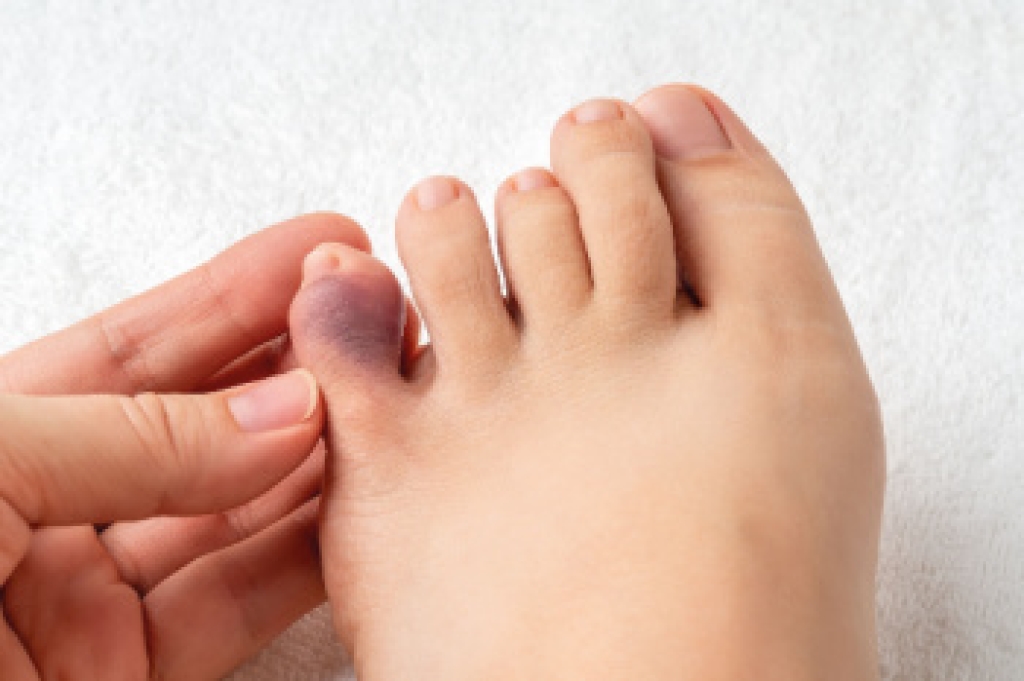
Symptoms of a broken toe usually appear soon after the injury. Many people experience pain, swelling, or bruising around the affected toe. Others notice tenderness or difficulty putting weight on the front of the foot. In some cases, the toe may appear crooked or sit in an unusual position if the bones have shifted. Walking may become more difficult because of discomfort and reduced flexibility. Since sprains and fractures can cause similar symptoms, imaging studies may be needed to confirm the diagnosis. Prompt treatment can help reduce complications and support a smoother recovery.
A podiatrist specializes in diagnosing and treating broken toes and other foot injuries. During an examination, the podiatrist evaluates the injured toe, reviews the symptoms, and determines the extent of the fracture before creating an individualized treatment plan. Treatment focuses on restoring proper alignment when needed, protecting the injured area, and supporting healthy healing. Ongoing podiatry care may also help improve foot function and reduce the risk of long-term complications. If you are experiencing toe pain, swelling, or difficulty walking after an injury, it is suggested that you consult a podiatrist for an evaluation and appropriate treatment options.
Broken toes may cause a lot of pain and should be treated as soon as possible. If you have any concerns about your feet, contact one of our podiatrists from DM Foot & Ankle Associates . Our doctors will treat your foot and ankle needs.
What Is a Broken Toe?
A broken toe occurs when one or more of the toe bones of the foot are broken after an injury. Injuries such as stubbing your toe or dropping a heavy object on it may cause a toe fracture.
Symptoms of a Broken Toe
Swelling
Pain (with/without wearing shoes)
Stiffness
Nail Injury
Although the injured toe should be monitored daily, it is especially important to have a podiatrist look at your toe if you have severe symptoms. Some of these symptoms include worsening or new pain that is not relieved with medication, sores, redness, or open wounds near the toe.
If you have any questions please feel free to contact our office located in Lemont, IL. We offer the newest diagnostic tools and technology to treat your foot and ankle needs.
Athlete’s foot is a common fungal infection that affects the skin of the feet, especially between the toes. It is caused by dermatophyte fungi that thrive in warm, moist environments. This condition is highly contagious until treated with antifungal drugs, making early detection important. Athlete's foot can spread quickly through direct contact or by touching contaminated surfaces, which is why proper hygiene plays a critical role in prevention and recovery.
Symptoms of athlete’s foot often begin with itchy feet and may progress to redness, scaling, and peeling skin. Some individuals experience burning sensations, cracking, or discomfort when walking. In more advanced cases, blisters or sores may develop, increasing the risk of secondary infection. Symptoms tend to worsen in enclosed footwear where moisture is trapped, creating an ideal environment for fungal growth.
The infection spreads through shared surfaces such as locker room floors, public showers, and pool areas. It can also transfer through shared towels, shoes, and even contact with pets that carry fungal organisms. Wearing damp socks or tight shoes can further increase exposure and allow the fungus to grow. These factors make athlete's foot a persistent condition if not addressed properly.
Risk factors include excessive sweating, use of non-breathable footwear, and frequent exposure to communal areas. Individuals who are active or spend long hours in shoes are more susceptible. Keeping feet clean and dry is essential in reducing risk. If you have symptoms of athlete’s foot, it is suggested that you consult a podiatrist for effective relief and treatment solutions, which may include prescribed medication.
Athlete’s Foot
Athlete’s foot is often an uncomfortable condition to experience. Thankfully, podiatrists specialize in treating athlete’s foot and offer the best treatment options. If you have any questions about athlete’s foot, consult with one of our podiatrists from DM Foot & Ankle Associates . Our doctors will assess your condition and provide you with quality treatment.
What Is Athlete’s Foot?
Tinea pedis, more commonly known as athlete’s foot, is a non-serious and common fungal infection of the foot. Athlete’s foot is contagious and can be contracted by touching someone who has it or infected surfaces. The most common places contaminated by it are public showers, locker rooms, and swimming pools. Once contracted, it grows on feet that are left inside moist, dark, and warm shoes and socks.
Prevention
The most effective ways to prevent athlete’s foot include:
Thoroughly washing and drying feet
Avoid going barefoot in locker rooms and public showers
Using shower shoes in public showers
Wearing socks that allow the feet to breathe
Changing socks and shoes frequently if you sweat a lot
Symptoms
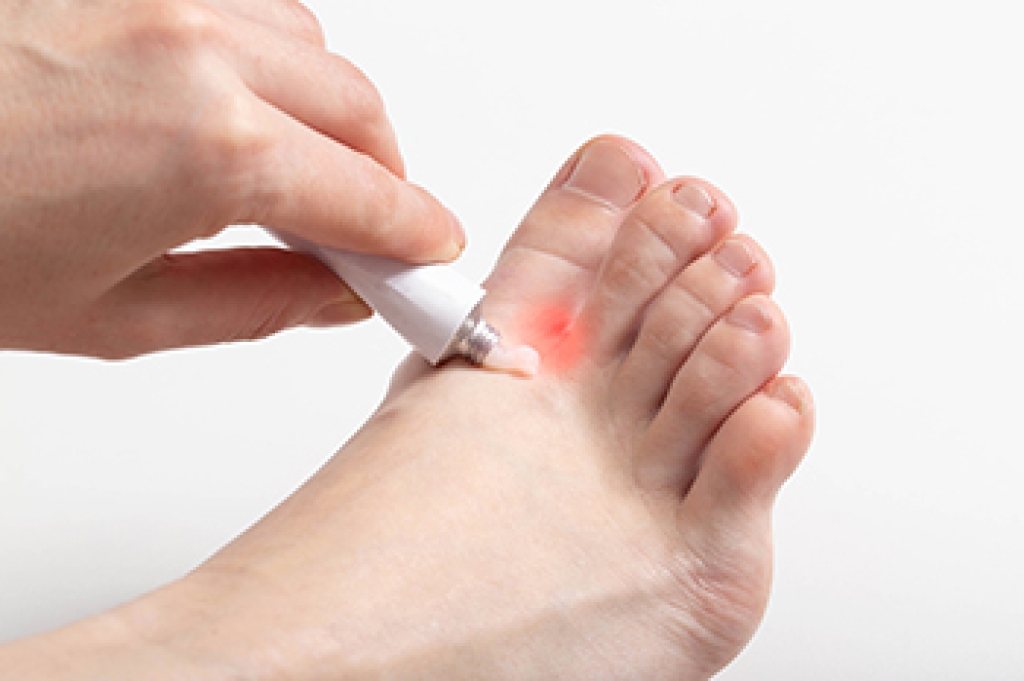
Athlete’s foot initially occurs as a rash between the toes. However, if left undiagnosed, it can spread to the sides and bottom of the feet, toenails, and if touched by hand, the hands themselves. Symptoms include:
Redness
Burning
Itching
Scaly and peeling skin
Diagnosis and Treatment
Diagnosis is quick and easy. Skin samples will be taken and either viewed under a microscope or sent to a lab for testing. Sometimes, a podiatrist can diagnose it based on simply looking at it. Once confirmed, treatment options include oral and topical antifungal medications.
If you have any questions, please feel free to contact our office located in Lemont, IL. We offer the newest diagnostic and treatment technologies for all your foot care needs.
Choosing the right running shoes is essential for comfort, performance, and injury prevention. Running shoes are designed to support the foot during repetitive impact, but the best choice depends on individual foot biomechanics. This includes how the foot moves during walking or running, known as pronation. Understanding whether a person has overpronation, supination, or neutral pronation helps guide proper shoe selection. Each pattern affects how weight is distributed across the foot and how forces are absorbed.
Symptoms of improper shoe selection may include arch pain, shin discomfort, or recurring injuries. Overpronation occurs when the foot rolls inward excessively, placing strain on the arch and inner ankle. Supination, also known as underpronation, happens when the foot rolls outward, reducing shock absorption and increasing stress on the outer foot. Neutral pronation represents a balanced movement where weight is distributed evenly, allowing for efficient stride and reduced strain.
Risk factors for choosing the wrong running shoes include lack of knowledge about foot structure, improper fitting, and selecting shoes based only on appearance. Runners who train on hard surfaces, such as pavement, require road running shoes that provide cushioning and support. Stability running shoes are recommended for individuals with overpronation, as they help control excessive inward motion. Neutral running shoes are designed for those with balanced foot mechanics and provide flexible cushioning without added correction.
The cause of many running related injuries can be traced to mismatched footwear and poor biomechanical support. Proper assessment of foot type and gait is key to selecting the right shoe. This can improve alignment, reduce stress, and enhance overall comfort. Understanding foot biomechanics empowers runners to make informed decisions and maintain long-term foot health. If you have foot pain from wearing the wrong running shoes, it is suggested that you consult a podiatrist who can offer effective relief solutions and guide you on how to choose shoes that are right for you.
For more information about walking shoes versus running shoes, consult with one of our podiatrists from DM Foot & Ankle Associates . Our doctors can measure your feet to determine what your needs are and help you find an appropriate pair of footwear.
Foot Health: The Differences between Walking & Running Shoes
There are great ways to stay in shape: running and walking are two great exercises to a healthy lifestyle. It is important to know that running shoes and walking shoes are not interchangeable. There is a key difference on how the feet hit the ground when someone is running or walking. This is why one should be aware that a shoe is designed differently for each activity.
You may be asking yourself what the real differences are between walking and running shoes and the answers may shock you.
Differences
Walking doesn’t involve as much stress or impact on the feet as running does. However, this doesn’t mean that you should be any less prepared. When you’re walking, you land on your heels and have your foot roll forward. This rolling motion requires additional support to the feet.
Flexibility – Walking shoes are designed to have soft, flexible soles. This allows the walker to push off easily with each step.
If you have any questions, please feel free to contact our office located in Lemont, IL. We offer the newest diagnostic and treatment technologies for all your foot care needs.