
Have your child's feet been examined lately? Healthy feet are happy feet. If your child is complaining of foot pain, it may be a sign of underlying problems.
Have your child's feet been examined lately? Healthy feet are happy feet. If your child is complaining of foot pain, it may be a sign of underlying problems.
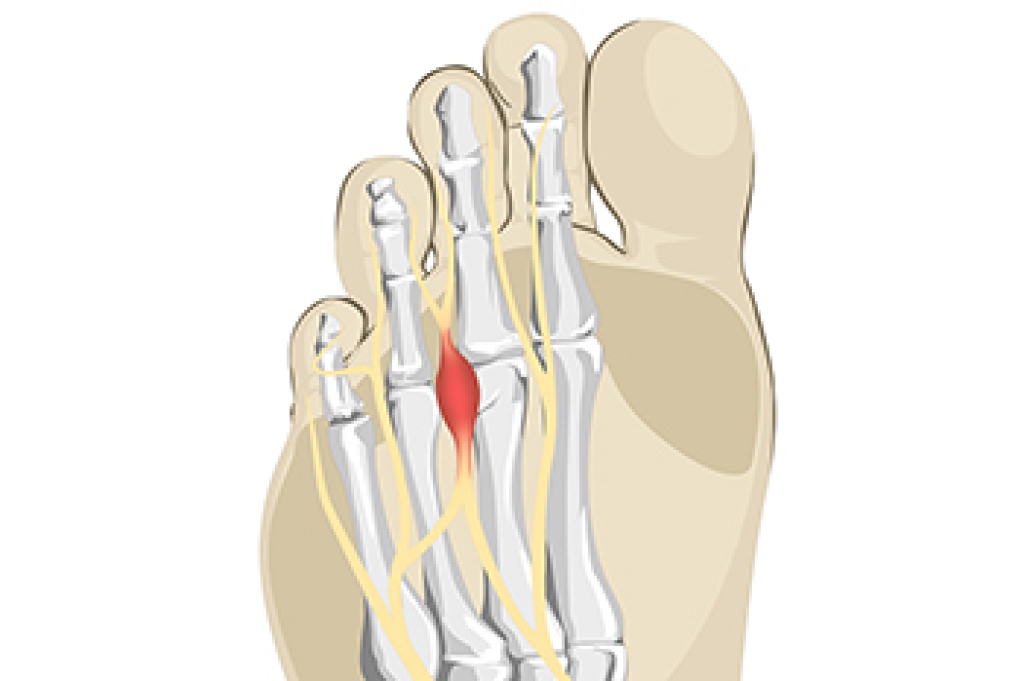
Morton’s neuroma is a common nerve condition that affects the plantar digital nerve, most often between the third and fourth toes. It develops when repetitive pressure or irritation causes the nerve tissue to thicken, leading to discomfort in the ball of the foot. Women are affected more frequently, often due to wearing high heels or narrow shoes that compress the toes. Symptoms may include burning pain, tingling, numbness, or the sensation of standing on a small pebble. Prolonged pressure on the forefoot can worsen these symptoms, over time. A podiatrist can provide an accurate diagnosis and recommend footwear changes, orthotics, or advanced treatment options. If you have pain in this part of your foot, it is suggested that you consult a podiatrist who can accurately diagnose and treat what may be going on.
Morton’s neuroma is a very uncomfortable condition to live with. If you think you have Morton’s neuroma, contact one of our podiatrists of DM Foot & Ankle Associates . Our doctors will attend to all of your foot care needs and answer any of your related questions.
Morton’s Neuroma
Morton's neuroma is a painful foot condition that commonly affects the areas between the second and third or third and fourth toe, although other areas of the foot are also susceptible. Morton’s neuroma is caused by an inflamed nerve in the foot that is being squeezed and aggravated by surrounding bones.
What Increases the Chances of Having Morton’s Neuroma?
Morton’s neuroma is a very treatable condition. Orthotics and shoe inserts can often be used to alleviate the pain on the forefront of the feet. In more severe cases, corticosteroids can also be prescribed. In order to figure out the best treatment for your neuroma, it’s recommended to seek the care of a podiatrist who can diagnose your condition and provide different treatment options.
If you have any questions, please feel free to contact our office located in Lemont, IL . We offer the newest diagnostic and treatment technologies for all your foot care needs.

A sprained ankle occurs when the ligaments that support the ankle are stretched or torn, often caused by a sudden twist, uneven surfaces, sports activity, or a simple misstep. Symptoms include swelling, pain, and difficulty bearing weight. The ankle may look puffy or discolored and can feel stiff, weak, or unstable, with pain ranging from mild soreness to sharp discomfort during movement. A podiatrist can help by beginning with a detailed examination and imaging when needed to determine the severity of the injury. Early diagnosis is important to rule out fractures and guide proper care. Treatment may start with protection and swelling control, followed by bracing, footwear guidance, and targeted exercises to restore strength and flexibility. More severe sprains may require advanced care to prevent chronic instability. Proper treatment supports healing and reduces the risk of repeat injury. If you have a sprained ankle, it is suggested that you make an appointment with a podiatrist.
Although ankle sprains are common, they aren’t always minor injuries. If you need your ankle injury looked at, contact one of our podiatrists from DM Foot & Ankle Associates . Our doctors can provide the care you need to keep you pain-free and on your feet.
How Does an Ankle Sprain Occur?
Ankle sprains are the result of a tear in the ligaments within the ankle. These injuries may happen when you make a rapid shifting movement while your foot is planted. A less common way to sprain your ankle is when your ankle rolls inward while your foot turns outward.
What Are the Symptoms?
Preventing a Sprain
Treatment of a Sprain
In many cases, the RICE method (Rest, Ice, Compression, and Elevate) is used to treat ankle sprains. However, you should see a podiatrist to see which treatment option would work best with your injury. In severe cases, surgery may be required.
It is important to ask your doctor about rehab options after you receive treatment for your injury. Stretching, strength training, and balance exercises may help the ankle heal while also preventing further injury.
If you have any questions, please feel free to contact our office located in Lemont, IL . We offer the newest diagnostic and treatment technologies for all your foot care needs.
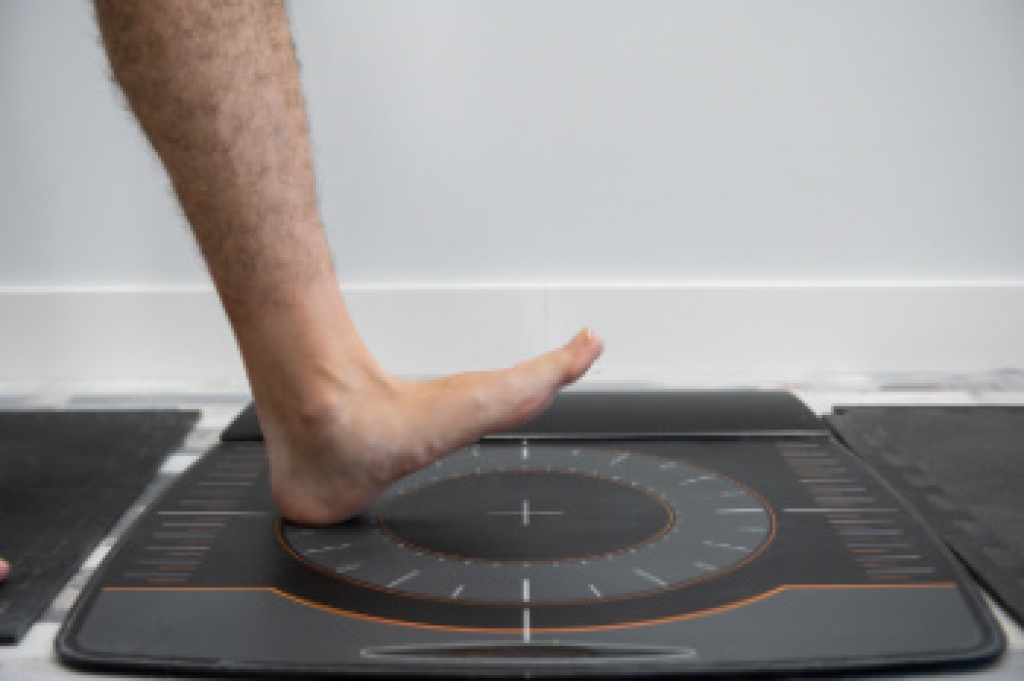
The human foot is an intricate structure made of 26 bones working together to absorb shock, adapt to uneven surfaces, and create powerful movement, even for dancers who demand precision and balance. When foot mechanics are disrupted, symptoms that may develop include aching pain, fatigue, or instability that travels through the feet, ankles, knees, and even hips. Common signs include changes in posture, uneven shoe wear, swelling, soreness, or burning during activity. Poor mechanics can be caused by genetics, injury, repetitive stress, improper footwear, or the intense demands placed on the feet through sports or dance. The foot may look flattened, overly arched, or misaligned, and it can feel strained, tired, or painful with prolonged standing or movement. A podiatrist evaluates foot mechanics through gait analysis, physical examination, and imaging to identify the source of imbalance. Treatment often begins with education, supportive footwear, and custom orthotics, progressing to strengthening exercises or corrective options to restore efficient movement. If you have foot mechanics problems, it is suggested that you make an appointment with a podiatrist.
If you have any concerns about your feet, contact one of our podiatrists from DM Foot & Ankle Associates . Our doctors can provide the care you need to keep you pain-free and on your feet.
Biomechanics in Podiatry
Podiatric biomechanics is a particular sector of specialty podiatry with licensed practitioners who are trained to diagnose and treat conditions affecting the foot, ankle and lower leg. Biomechanics deals with the forces that act against the body, causing an interference with the biological structures. It focuses on the movement of the ankle, the foot and the forces that interact with them.
A History of Biomechanics
Modern technological improvements are based on past theories and therapeutic processes that provide a better understanding of podiatric concepts for biomechanics. Computers can provide accurate information about the forces and patterns of the feet and lower legs.
Understanding biomechanics of the feet can help improve and eliminate pain, stopping further stress to the foot.
If you have any questions please feel free to contact our office located in Lemont, IL . We offer the newest diagnostic and treatment technologies for all your foot and ankle needs.

Corns are areas of thickened skin that develop as a response to ongoing friction and pressure on the feet. They commonly form on the tops and sides of toes or between toes where shoes rub repeatedly. Wearing tight footwear, abnormal toe positioning, and foot deformities are frequent causes that increase stress on the skin. There are different types of corns, including hard corns on bony areas and soft corns that appear between toes and may stay moist. Corns can be quite painful, especially when pressure is applied during walking or standing. A podiatrist can safely treat corns, relieve discomfort, and address the underlying cause. If you have developed a corn, it is suggested that you consult a podiatrist who can offer effective relief and treatment solutions.
If you have any concerns regarding your feet and ankles, contact one of our podiatrists of DM Foot & Ankle Associates . Our doctors will treat your foot and ankle needs.
Corns: What Are They? and How Do You Get Rid of Them?
Corns can be described as areas of the skin that have thickened to the point of becoming painful or irritating. They are often layers and layers of the skin that have become dry and rough, and are normally smaller than calluses.
Ways to Prevent Corns
There are many ways to get rid of painful corns such as wearing:
Treating Corns
Treatment of corns involves removing the dead skin that has built up in the specific area of the foot. Consult with Our doctors to determine the best treatment option for your case of corns.
If you have any questions, please feel free to contact our office located in Lemont, IL . We offer the newest diagnostic and treatment technologies for all your foot care needs.
Connect With Us