
Your feet are covered most of the day. If you're diabetic, periodic screening is important for good health. Numbness is often a sign of diabetic foot and can mask a sore or wound.
Your feet are covered most of the day. If you're diabetic, periodic screening is important for good health. Numbness is often a sign of diabetic foot and can mask a sore or wound.
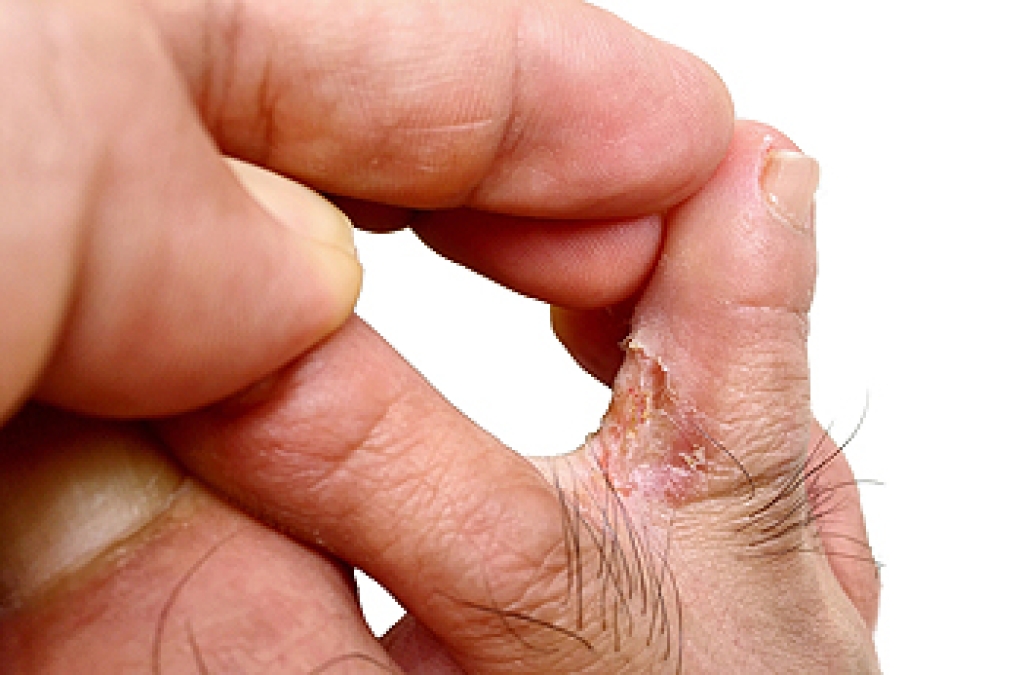
Athlete’s foot is a common fungal infection that affects the skin of the feet, especially between the toes and along the soles. It is caused by fungi that thrive in warm, damp environments such as shoes, locker rooms, and swimming areas. Unlike simple dry skin, athlete’s foot often causes persistent itching, redness, burning, peeling, cracking, or blisters. The skin may appear scaly and irritated, and the infection can spread to toenails or other areas, if left untreated. A podiatrist can examine the feet, confirm the diagnosis, and recommend effective antifungal treatments, foot hygiene strategies, and preventive measures. If you have symptoms of athlete’s foot, it is suggested that you consult a podiatrist who can offer effective treatment solutions, which may include prescribed medication.
Athlete’s Foot
Athlete’s foot is often an uncomfortable condition to experience. Thankfully, podiatrists specialize in treating athlete’s foot and offer the best treatment options. If you have any questions about athlete’s foot, consult with one of our podiatrists from DM Foot & Ankle Associates . Our doctors will assess your condition and provide you with quality treatment.
What Is Athlete’s Foot?
Tinea pedis, more commonly known as athlete’s foot, is a non-serious and common fungal infection of the foot. Athlete’s foot is contagious and can be contracted by touching someone who has it or infected surfaces. The most common places contaminated by it are public showers, locker rooms, and swimming pools. Once contracted, it grows on feet that are left inside moist, dark, and warm shoes and socks.
Prevention
The most effective ways to prevent athlete’s foot include:
Symptoms
Athlete’s foot initially occurs as a rash between the toes. However, if left undiagnosed, it can spread to the sides and bottom of the feet, toenails, and if touched by hand, the hands themselves. Symptoms include:
Diagnosis and Treatment
Diagnosis is quick and easy. Skin samples will be taken and either viewed under a microscope or sent to a lab for testing. Sometimes, a podiatrist can diagnose it based on simply looking at it. Once confirmed, treatment options include oral and topical antifungal medications.
If you have any questions, please feel free to contact our office located in Lemont, IL . We offer the newest diagnostic and treatment technologies for all your foot care needs.
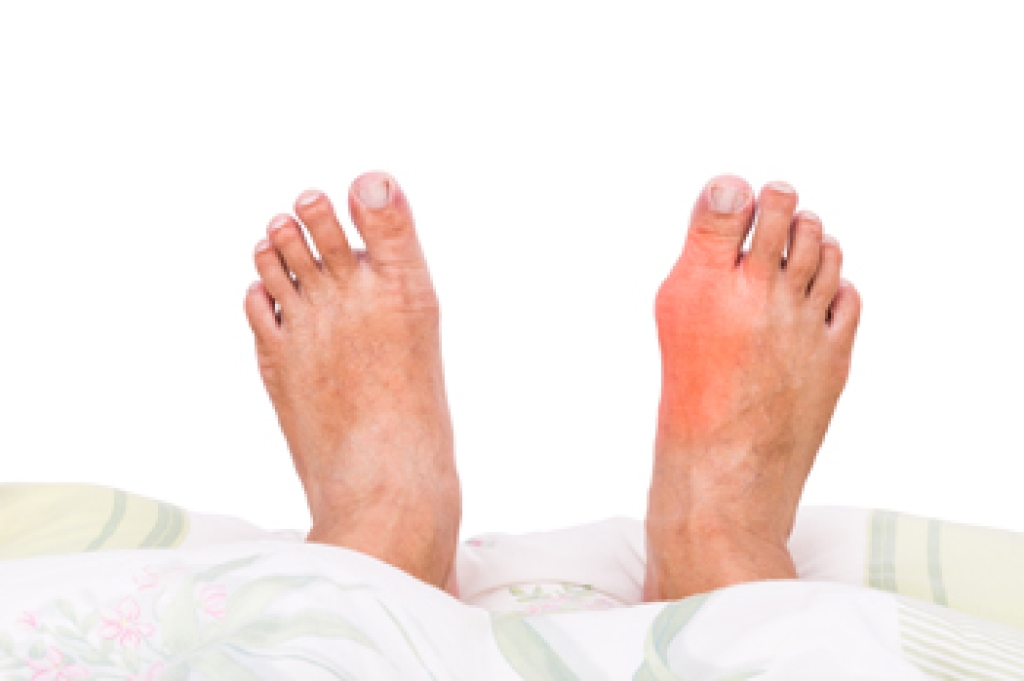
Bunions are a common foot deformity that develop when the joint at the base of the big toe becomes misaligned. This causes the tip of the big toe to lean toward the smaller toes, and creates a visible bony bump along the side of the foot. Bunions often cause symptoms such as pain, tenderness, swelling, redness, and difficulty wearing shoes comfortably. Over time, the condition may worsen and limit daily activities. Risk factors include genetics, flat feet, arthritis, prolonged use of tight footwear, and repetitive stress on the foot. Although bunions do not always cause pain, they can interfere with balance and walking. A podiatrist can evaluate the severity of the deformity, recommend custom orthotics, footwear modifications, and targeted treatments to relieve discomfort and slow progression. If bunion pain is affecting your quality of life, it is suggested that you consult a podiatrist who can offer effective relief and treatment solutions.
If you are suffering from bunion pain, contact one of our podiatrists of DM Foot & Ankle Associates . Our doctors can provide the care you need to keep you pain-free and on your feet.
What Is a Bunion?
Bunions are painful bony bumps that usually develop on the inside of the foot at the joint of the big toe. As the deformity increases over time, it may become painful to walk and wear shoes. Women are more likely to exacerbate existing bunions since they often wear tight, narrow shoes that shift their toes together. Bunion pain can be relieved by wearing wider shoes with enough room for the toes.
Causes
Symptoms
In order to diagnose your bunion, your podiatrist may ask about your medical history, symptoms, and general health. Your doctor might also order an x-ray to take a closer look at your feet. Nonsurgical treatment options include orthotics, padding, icing, changes in footwear, and medication. If nonsurgical treatments don’t alleviate your bunion pain, surgery may be necessary.
If you have any questions, please feel free to contact our office located in Lemont, IL . We offer the newest diagnostic and treatment technologies for all your foot care needs.
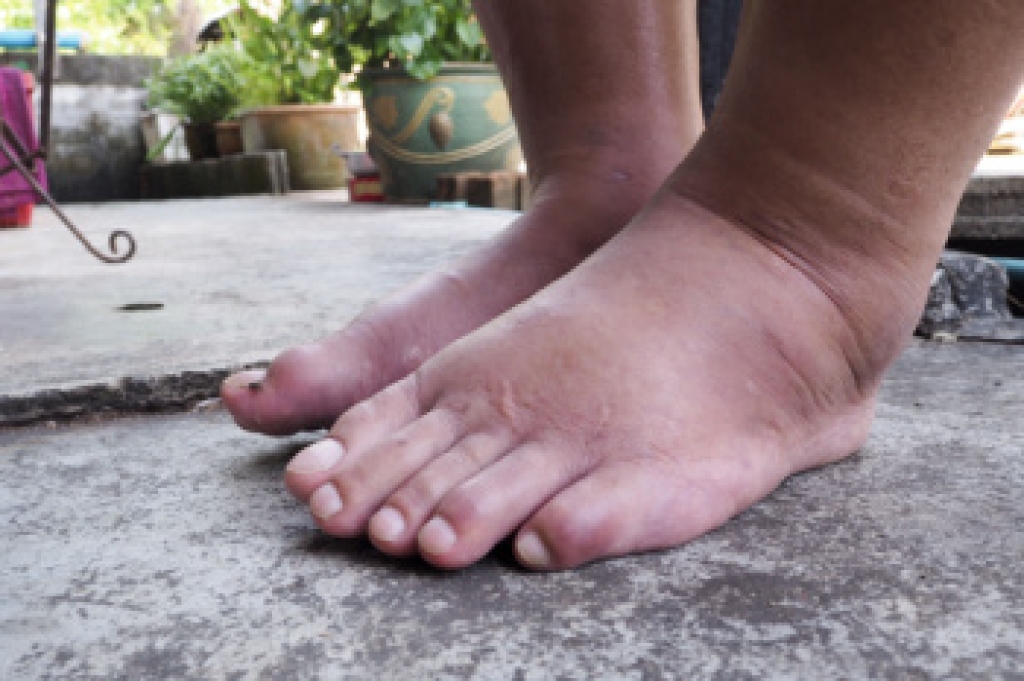
Swollen feet, also known as edema, occur when fluid accumulates in the tissues, causing puffiness and discomfort. Common causes include prolonged standing or sitting, high-sodium foods, processed meals, and certain medical conditions such as heart, kidney, or liver disease. Foods that contribute to water retention, including salty snacks, canned soups, and processed meats, can exacerbate swelling. Other factors such as pregnancy, medications, or circulation issues may also play a role. A podiatrist can evaluate the underlying cause, recommend lifestyle adjustments, provide supportive footwear or compression therapy, and create a plan to reduce swelling while protecting foot health. If your feet have become swollen and are uncomfortable, it is suggested that you consult a podiatrist who can help you manage this condition.
Swollen feet can be a sign of an underlying condition. If you have any concerns, contact one of our podiatrists of DM Foot & Ankle Associates . Our doctors can provide the care you need to keep you pain-free and on your feet.
Swollen feet are a common ailment among pregnant women and people who stand or sit for extended periods. Aging may increase the possibility of swollen feet and patients who are obese often notice when their feet are swelling too. There may be medical reasons why swollen feet occur:
Swollen feet can also be caused by bone and tendon conditions, including fractures, arthritis, and tendinitis. Additionally, there may be skin and toenail conditions and an infection may cause the feet to swell. Patients who take medicine to treat high blood pressure may be prone to getting swollen feet.
Many patients elevate their feet to help relieve the swelling and this is generally a temporary remedy. When a podiatrist is consulted the reason behind the swelling can be uncovered and subsequently treated.
If you have any questions please contact our office located in Lemont, IL . We offer the newest diagnostic and treatment technologies for all your foot and ankle needs.
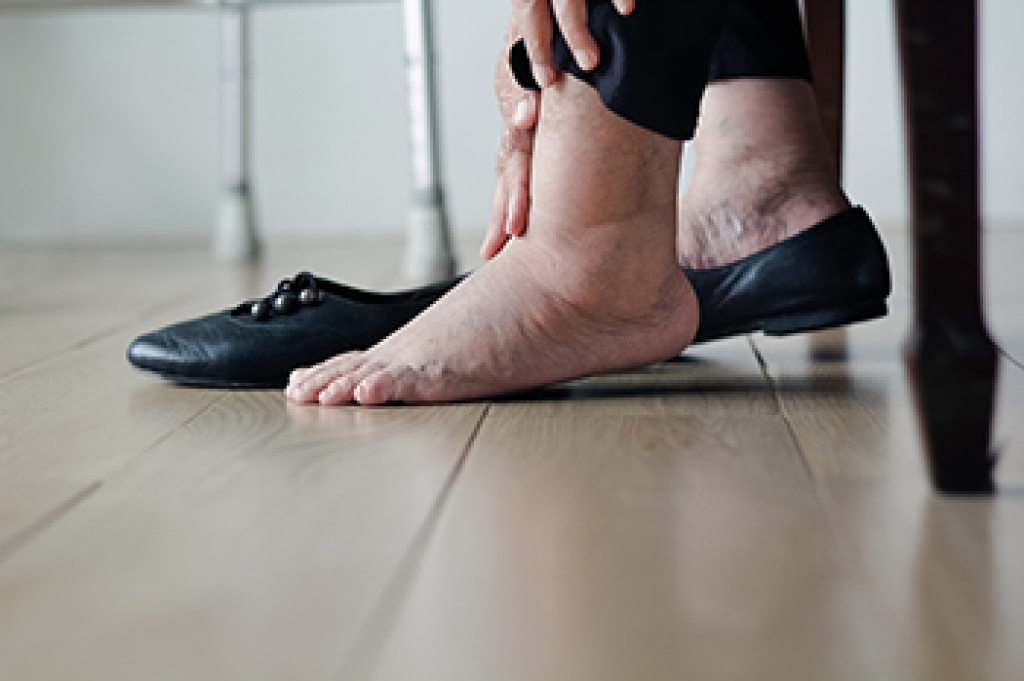
Elderly foot care issues can affect comfort, mobility, and overall quality of life. Cold feet may result from reduced circulation, changes in skin thickness, or chronic health conditions. Wounds that do not heal are another serious concern, often linked to poor blood flow, nerve changes, or pressure points that go unnoticed. These problems can increase the risk of infection and limit daily activity, if not addressed early. A podiatrist can evaluate circulation, skin health, and foot structure to identify underlying causes. Treatment may include routine foot care, wound management, pressure relief, and guidance on proper footwear. Ongoing podiatric care helps an older person maintain independence and prevents complications. If you are elderly and have any of the above symptoms, it is suggested that you schedule a visit with a podiatrist who can treat various foot and ankle conditions.
If you need your feet checked, contact one of our podiatrists of DM Foot & Ankle Associates . Our doctors will attend to all of your foot and ankle needs and provide you with quality treatment.
Geriatrics and Podiatry
When people age, some common issues that may occur are bone density loss, dry skin, poor circulation, and rough brittle nails. These issues may also affect your foot health if the necessary steps are not taken to alleviate the problems.
It is important to take care of your feet because feet that are injured or diseased can affect your overall health. Having painful feet hinders your ability to do daily activities or may decrease your willingness to do the things that you need to do.
Visiting Your Geriatrician
As we age, health problems become more likely, so it is essential to visit your doctor for check-ups to ensure that you are doing the best you can to take care of your health. It is recommended to check your feet frequently for any possible cuts, bruises, swelling, corns or any other irregularities.
Taking Care of Elderly Feet
Cracked or dry feet can be treated by applying moisturizer often. It is also important not to wear old socks because the older the sock is, the higher the possibility there will be that there is bacteria there. Wear fresh socks and make sure they fit properly.
Proper foot health means that you can have a more active lifestyle and you will not be bogged down by pain. Foot health also leads to good circulation, which is paramount for overall health.
If you have any questions, please feel free to contact our office located in Lemont, IL . We offer the newest diagnostic and treatment technologies for all your foot care needs.
Connect With Us